Moon water is ordinary water left in a clean container under the moonlight so that it can be used in small rituals, often at the full moon. It is a spiritual and folk practice, and people enjoy it as a quiet ceremony of intention. The water itself is only water, so hygiene matters: use a clean, closed container, and treat it as safe to drink only if you would drink the water it started as.
Moon water pairs naturally with the full moon calendar and the full moon release ritual. This page covers the how, the why and the safety points.
What moon water is
In the popular version of the practice, you fill a jar or bottle with water, set an intention, and leave it where moonlight can reach it overnight. In the morning, the water is said by practitioners to hold the energy of the moon and the intention you gave it. It is then used in rituals: to bless a space, water a plant, wash your hands or add to a bath.
Nothing here needs special equipment. Some people add flowers, herbs or a crystal, and others prefer to keep it plain. It is a personal ritual, and the details are yours to choose. The meaning comes from the attention you bring to it.
Where the idea comes from
The moon has been a symbol in nearly every culture, associated with cycles, tides, dreams and rest. Water has been used in blessing and cleansing rituals for just as long. Moon water brings the two together. Writers on modern witchcraft and moon rituals describe it as a way of working with the lunar cycle, and it has become popular because it is easy, gentle and cheap.
If you want to know when each phase arrives, NASA keeps a clear explanation of the moon phases, and the full moon calendar on this site lists the upcoming dates.
Which moon phase to choose
People choose different phases for different intentions. The full moon is the most popular, since it is bright and easy to see. Here is a quick guide to the common choices.
| Phase | Popular use | Suggested intention |
|---|---|---|
| New moon | Beginnings and seeds of intention | "I begin with a calm heart." |
| Waxing moon | Growth and building | "I take one steady step." |
| Full moon | Gratitude, clarity, release | "I thank what has grown and let the rest go." |
| Waning moon | Letting go and rest | "I put down what I no longer carry." |
| Eclipse | Deep change, per some writers | Often skipped by beginners |
The new moon intentions guide covers beginnings in detail, and the full moon release ritual covers letting go.
How to make moon water, step by step
- Choose your water. If you might drink it, use water that is already safe to drink, such as tap water where it is safe or bottled water. If it is only for plants or rituals, any clean water will do.
- Wash and rinse a glass jar or bottle with a lid. Glass is best, since it does not leach and is easy to clean.
- Fill the jar, close the lid, and hold it for a moment while you say your intention in a sentence.
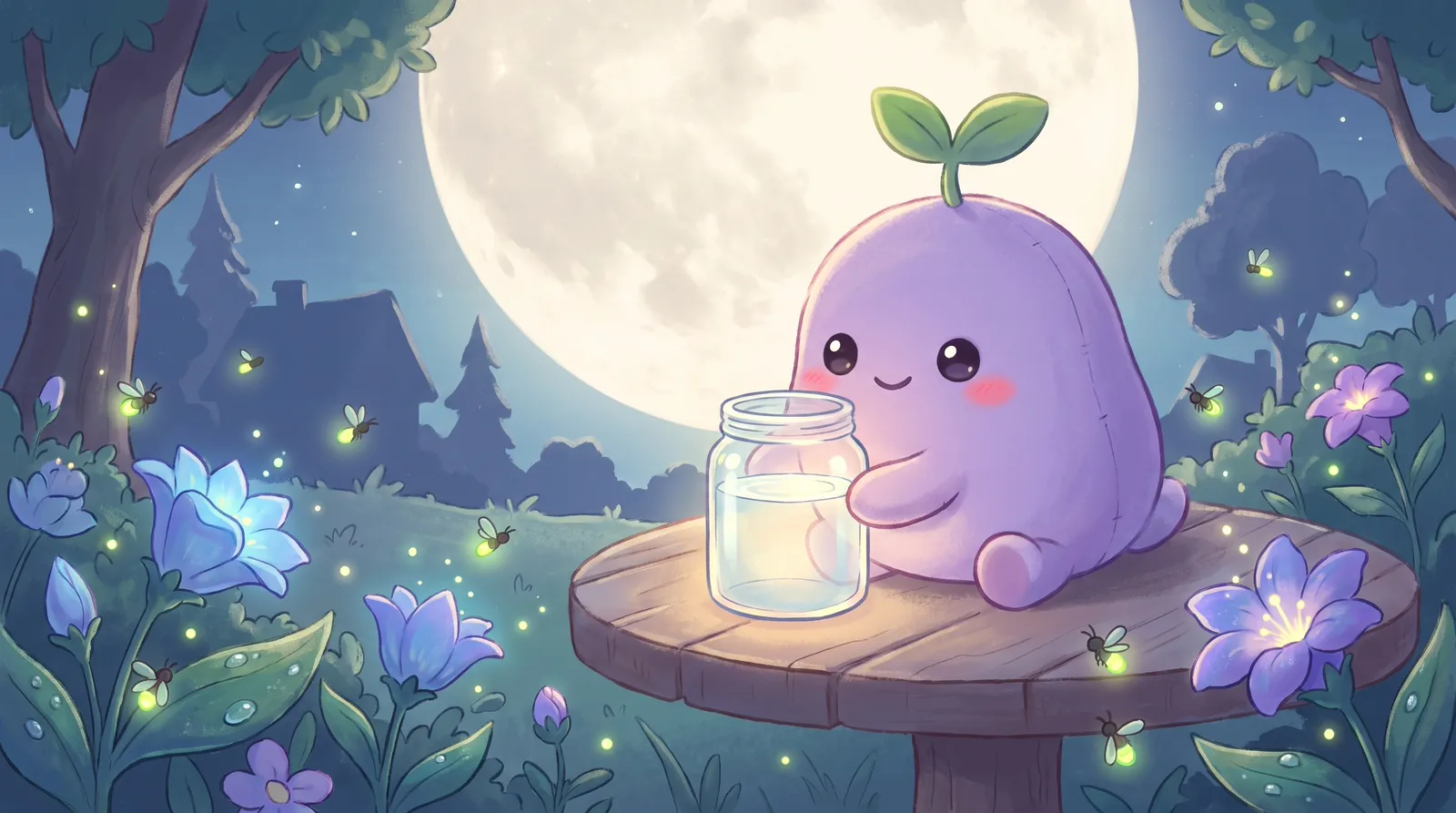
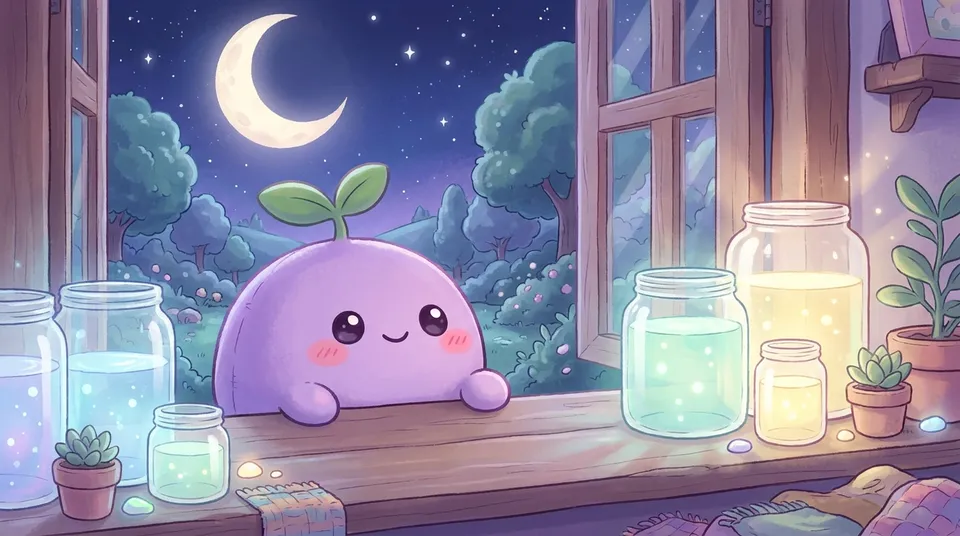
- Place the closed jar on a windowsill, balcony or garden table where moonlight can reach it. Leave it overnight.
- In the morning, bring it inside before the sun is strong, and label it with the date.
- Store it in a cool place, or in the fridge if you might drink it, and use it within a couple of days.
Cloud cover does not matter for the ritual. Many practitioners say the water still holds the intention, so use a window if the sky is cloudy.
Water hygiene. Water left open outdoors can attract insects, animals, pollen and bacteria. Keep the jar closed, wash it well, and do not drink water that has been sitting in an open bowl. Add crystals only on the outside of the jar, since some stones are toxic or can dissolve in water. If you are pregnant, immunocompromised or giving the water to a child, use the ritual for plants and washing rather than drinking. The World Health Organization explains why clean drinking water matters.
Ways to use moon water
Because the water is a symbol, you can use it in whatever way feels gentle and practical. Common uses include:

- Watering houseplants or a garden, and saying a thank-you as you pour.
- Washing your face or hands as a small ritual of starting fresh.
- Adding it to a bath, for a quiet, unhurried evening.
- Placing a few drops on a journal cover before writing your intentions.
- Filling a small spray bottle to mist a room, a pillow or a desk.
- Pouring it into a bowl on an altar or shelf as a focus for meditation.
If you like a slow evening, the cozy self-care night routine is a good place to fit a bath or a face wash with moon water.
Moon water and crystals
Many people place a crystal beside the jar. The safe way to do this is the indirect method: put the stone next to the jar, or in a separate sealed container, never in the water itself. Some minerals, including a number of popular green and blue stones, can be toxic or can break down in water. The crystals for manifestation guide explains which stones people pair with which intentions.
Setting an intention for your moon water
The intention is the heart of the ritual. Keep it short, present tense and kind. Examples include "I make room for rest," "I speak to myself gently," or "I am ready for a new routine." Avoid wishes that depend on other people or that promise a result. The intention setting guide and manifestation journal prompts have plenty of wording to borrow.
After the ritual, write a line in your journal about what you noticed, and look back a month later. Seeing your own pattern of intentions can be more interesting than the water.
A simple moon water evening
If you would like a gentle way to put it all together, try this. In the early evening, wash a jar and fill it with water. Light a candle in a proper holder, or simply switch on a soft lamp. Write one intention on a slip of paper and tuck it under the jar. Breathe slowly for a minute, then set the jar on the sill and go about your night. In the morning, pour a little on a plant and write down one thing you noticed. That is the whole ritual, and it takes less than ten minutes.
Common mistakes to avoid
A few easy slips are worth knowing about before your first jar.
- Leaving the water in an open bowl. Bugs, dust and pollen get in, and the water is no longer fit to drink.
- Using a metal or plastic container that is not food safe. Glass is simplest.
- Dropping a crystal straight into the water. Use the indirect method.
- Keeping the water for weeks. Use it within a couple of days, or switch to using it only on plants.
- Forgetting a label. A date on the jar saves guessing later.
- Setting an intention that depends on another person. Keep the wish about your own day.
None of these is a disaster, and each is easy to fix next month. The ritual is forgiving, and a slightly wonky first jar is part of learning.
Why a small ritual can feel meaningful
Whatever you believe about the moon, a repeated ritual can be soothing. It gives you a fixed time to pause, a clear action and a small sense of closure. Many people find that a quiet ceremony at the end of the day makes the next morning gentler. Enjoy it for what it gives you now, and keep expectations kind: moon water is a ceremony for your attention, and it cannot promise money, love, healing or any specific result.
If you are struggling with anxiety, low mood or trouble sleeping, please speak with a doctor or a qualified professional. A calm ritual can sit alongside care, and it does not replace it.
Where manifestlings fits
Moon water is about marking the cycle with a little care, and manifestlings is built for small rituals like that. It is a virtual pet, a dreamling, that grows on what you practise. Around it sit a wish you can look at again, a short game made from your words, small rituals, care on the real clock, and a guided meditation with 4-2-6 breathing.
It is coming soon to the App Store for iPhone, with Android later. You sign in once, and every new account starts with 7 days of Premium free, followed by a free core. An app is only a companion and cannot promise an outcome. You can read about the people behind it on the about page.
Questions people ask
How do you make moon water?
Fill a clean glass jar with water, close the lid, say a short intention, and leave the closed jar where moonlight can reach it overnight. Bring it in by morning, label it and use it within a couple of days.
Can you drink moon water?
Only if the water you started with was safe to drink and the jar was clean and closed. Never drink water left in an open bowl outdoors. When in doubt, use it for plants or washing instead.
Which moon phase is best for moon water?
The full moon is the most popular, and the new moon is chosen for beginnings. There is no rule, so choose the phase that fits your intention.
What do you do with moon water?
People water plants, wash their hands or face, add it to a bath, mist a room or set it on an altar. Use it in a way that feels gentle and practical to you.